Assessment Information


Michigan law requires assessors to set the assessed value of all property at approximately 50% of what the property would sell for on the open market. As property values increase and decrease, assessments are adjusted to reflect the changing market.
Contrary to popular belief, the local assessor is not a "tax assesor". Assessors do not assess taxes, they appraise property and determine its value so that value can be placed on the assessment roll in accordance with Michigan Law. Assessors, who typically visit property and appraise it early in the year, have no idea what the property tax rate - approved by voters - will be by tax time later in the year. Assessors do not raise assessments in order to increase taxes. Assessments are strictly controlled by law, and are separate from the property tax rates approved by voters.
The county's Equalization Department performs an annual study to review property sales in the township and compare the actual sale prices to the assessor's appraisal. They inform the local assessor of their findings, which determines the amount of adjustment to be made to assessments throughout the township. The assessor must then determine the amount of adjustment on a neighborhood-by-neighborhood basis, based on sales in that area.
IF YOU PURCHASED YOUR PROPERTY LAST YEAR, ITS TAXABLE VALUE WILL BE ADJUSTED THIS YEAR TO EQUAL ITS ASSESSED VALUE. MICHIGAN LAW REQUIRES ALL ASSESSORS TO ADJUST A PROPERTY'S TAXABLE VALUE TO EQUAL ITS ASSESSED VALUE IN THE YEAR IMMEDIATELY FOLLOWING A TRANSFER OF OWNERSHIP. AFTER THIS INITIAL ADJUSTMENT, AS LONG AS YOU OWN THE PROPERTY, ITS TAXABLE VALUE CANNOT INCREASE MORE THAN 5% PER YEAR.

Name and Address Change Requests
Change of name and/or address should be promptly reported. If you have sold your property and received a statement in error, please forward the statement to the new owner or return it to the Assessor's Office with correction(s) of name and/or address.
Since assessments are required by law to be set at 50% of market value, they will continue to change if the sale prices of homes and property in the area change. As long as you continue to own your property, however, the taxable value on which you pay taxes, is capped and cannot increase more than 5% in a single year, even though your assessment may increase by unlimited amounts. The cap that prevents taxable value from increasing more than 5% (or the rate of inflation, whichever is lower) is set each year by state officials and is based on the Consumer Price Index (CPI). Taxes are levied on Taxable Value NOT Assessed value.

Click Below
To Learn More About Tax Exemptions For Homeowners:
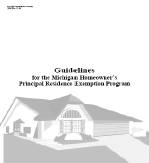
Click Below
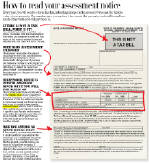
For Tips About
Reading Your Assessment Notice:
Meeting Minutes

However, many assessments are based on sales dating back to more than a year ago. So, today's market values may not affect the current assessment, until much later.
Click Below
For Info About
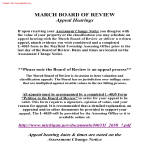
The Board Of Review: